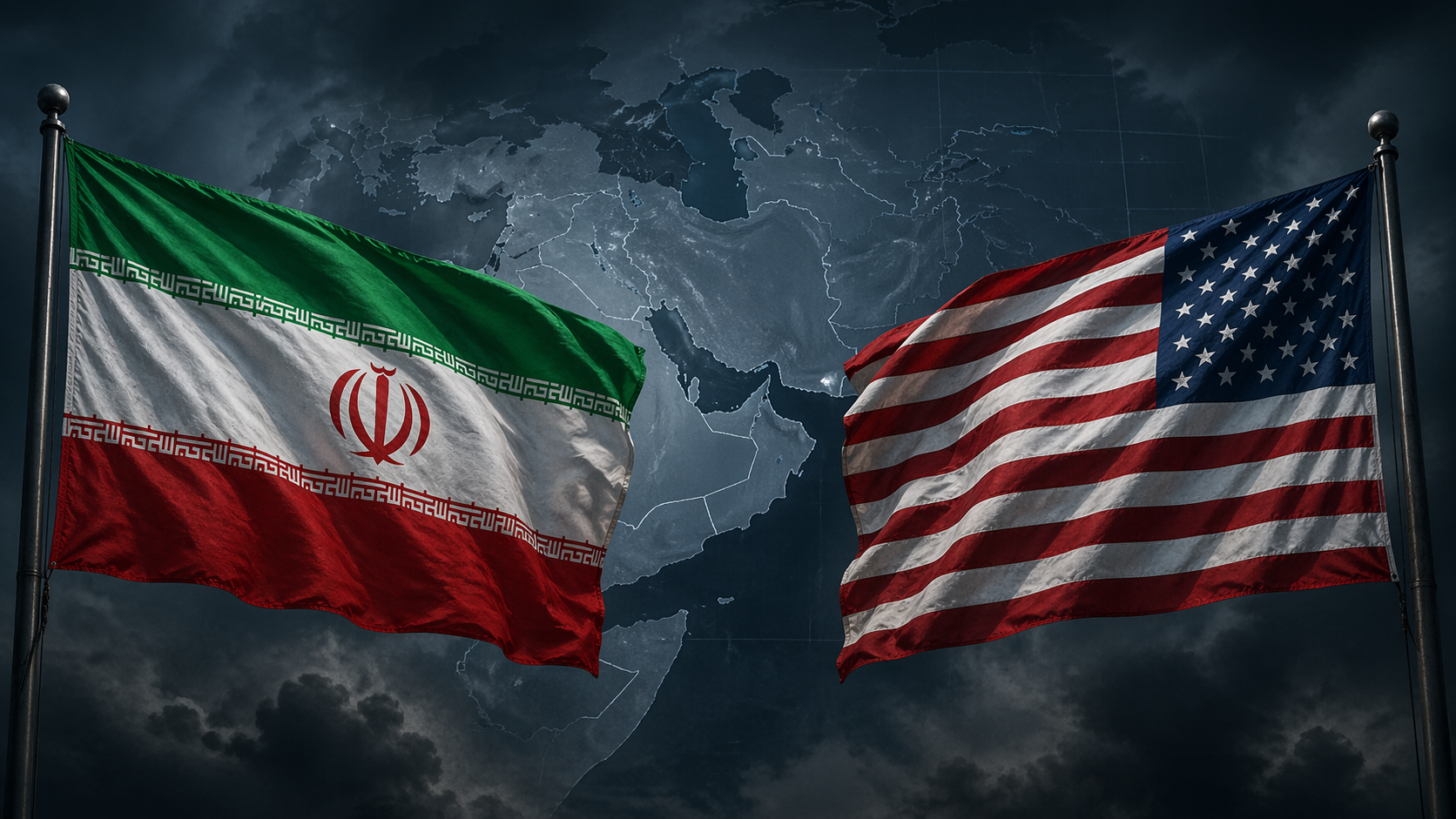
Iran has hardened its stance toward the United States, signaling that any further diplomatic engagement will depend on the lifting of the American naval blockade targeting its ports. The dispute, which has moved beyond the negotiating room and into a broader security and economic arena, is now emerging as one of the main obstacles to renewed dialogue between the two sides.
According to the reported outline of recent contacts, Iranian representatives pulled back from talks expected to take place in Islamabad and indicated they would not return to the table while maritime restrictions remain in place. Mediation efforts have so far produced no visible breakthrough, leaving both diplomacy and regional stability under growing strain.
The disagreement is increasingly centered on the Strait of Hormuz, one of the world’s most strategically important energy corridors. Tehran views the blockade as a direct act of pressure with consequences that go far beyond bilateral relations, while a series of incidents involving commercial vessels in the area has intensified concerns that the confrontation could spill further into regional shipping and global energy markets.
Iranian officials have also made clear that, in their view, restoring normal maritime traffic is incompatible with continued restrictions on Iranian trade and transport. That position has reinforced the sense that the standoff is no longer limited to political messaging, but now touches core issues of sovereignty, commerce and regional power.
President Masoud Pezeshkian has described the blockade and what he called Washington’s failure to honor commitments as the central barriers to what Tehran would consider meaningful negotiations. His remarks underscore how the crisis has evolved into a wider geopolitical dispute, with potential implications for oil flows, maritime security and the already fragile balance in the Gulf.
At this stage, the prospect of renewed talks appears tied not only to political will, but also to whether the two sides can ease a confrontation that is increasingly being shaped by military pressure and economic leverage rather than diplomacy alone.