Croatia has confirmed that it will not request a delay, suspension or exemption from the implementation of the European Union’s new Entry/Exit System, known as EES, during the upcoming summer tourist season. The Croatian Ministry of Interior says the country is technically prepared for the full application of the system at the external borders of the Schengen area. Under the new procedure, all travellers from third countries, including Macedonia, will be subject to the same border checks, without exceptions.
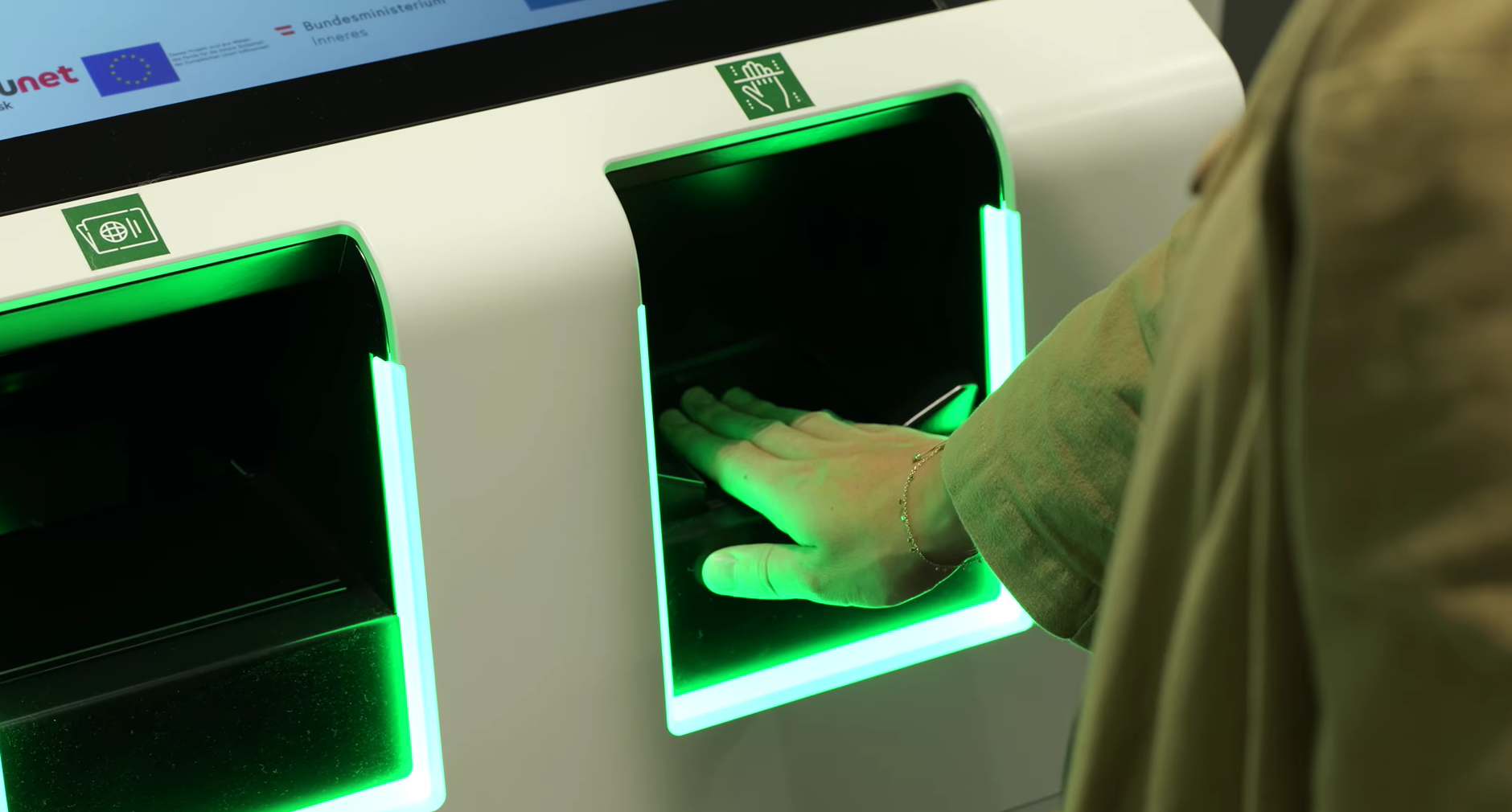
The EES system replaces the previous practice of manually stamping passports. Instead, it records the traveller’s name, type of travel document, biometric data, facial image, fingerprints, and the date and place of entry and exit. According to the Croatian authorities, the rules must be applied uniformly and consistently to all travellers from non-EU countries. This means that passengers crossing the border will need to go through the same biometric procedure regardless of the season or the border crossing they use.
The issue became more visible after the May Day holidays, when significantly larger crowds than usual were reported at the border between Bosnia and Herzegovina and Croatia. The new system was cited as one of the main reasons for the delays, because travellers are required to leave their vehicles and undergo security checks. The procedure includes scanning the face, taking fingerprints and recording passport data, which puts additional pressure on border operations and has caused frustration among drivers.
Although there were reports that some tourist-oriented countries could temporarily suspend the system during the summer season, Croatia says there will be no such move on its side. Croatian Interior Minister Davor Božinović stated that Croatia has been in constant contact with the European Commission and that, according to the Commission’s response, no EU member state has submitted a request to suspend biometric data collection or the EES system as a whole.
Croatian authorities also stated that more than five million files have already been created for people who submitted their data into the EES system since its implementation began. A certain share of requests has been rejected, with the Ministry of Interior saying that 11 percent of requests have so far been refused. Božinović added that Croatia was among the few countries that fully started applying the EES system on 1 March this year, even though the obligation began on 10 April.
The Croatian position is that EES is important primarily because it strengthens security. Authorities say the system should help reinforce border control, prevent illegal migration and identify more efficiently those who exceed the permitted stay in the Schengen area, which is 90 days within a 180-day period. While the system may cause difficulties during the initial adjustment period, Croatian authorities expect that it will eventually speed up passenger checks.
Božinović also commented on countries that depend heavily on tourism, saying that some of them may seek different ways to attract as many tourists as possible. However, he stressed that safety remains a priority and that visitors coming for tourism would rather enter a safe country than avoid waiting a few additional minutes at the border. According to Croatia’s official position, there will be no bypassing of the new border rules and no special treatment for travellers from third countries.