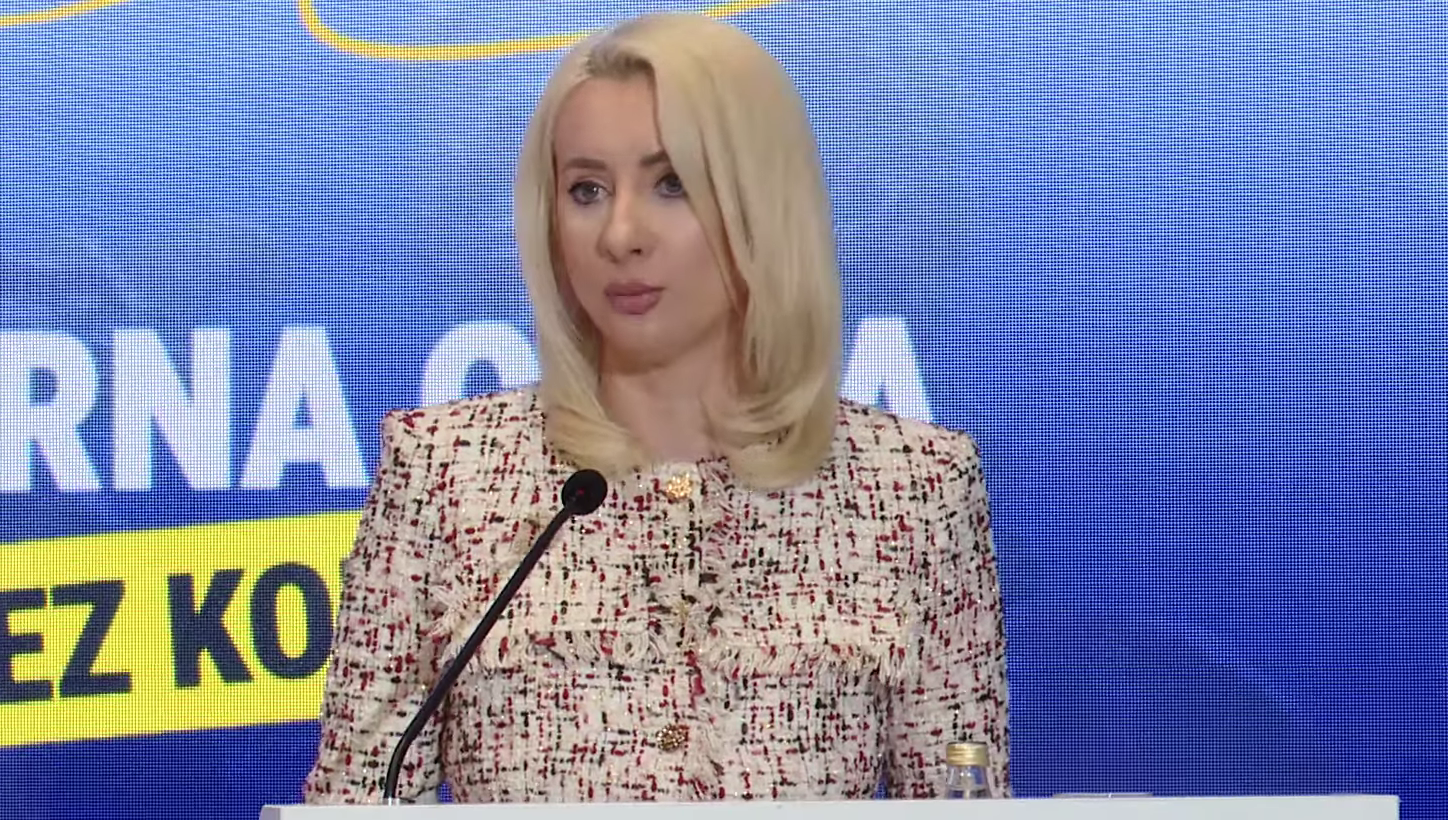
Montenegrin Minister of European Affairs Maida Gorčević announced that Montenegro has achieved its best results in utilizing European Union funds over the past three years, with a record withdrawal of over 245 million euros in 2025 alone, more than the entire four year period from 2016 to 2019 combined. The surge marks the first time Montenegro has exceeded 100 million euros annually, a milestone that Gorčević attributes to strengthened institutional coordination and improved capacity for preparing and implementing European projects across government institutions. The funds flow through multiple instruments including IPA pre accession assistance, the Western Balkans Investment Framework, and the Reform Agenda, supporting investments in schools, kindergartens, road modernization, energy infrastructure, digitalization, environmental protection, and local community development throughout the small Adriatic nation.
The announcement comes at a pivotal moment for Montenegro’s European integration, as EU ambassadors recently agreed to establish an ad hoc working group to draft an accession treaty, a move European Council President António Costa described as a “key milestone” on the path to membership. Gorčević framed the record fund absorption as proof that “European reforms are very much translatable into the language of citizens’ everyday lives,” while setting an ambitious target of becoming the EU’s 28th member by 2028. The Western Balkans Investment Framework has supported an estimated 2.4 billion euros in public sector investments in Montenegro since 2008, including ten flagship projects in 2020-2024 that directed 618.8 million euros toward sustainable transport, water supply, sanitation, and education facilities. However, the road ahead remains challenging, Montenegro has concluded negotiations on only 14 of 35 EU clusters, and the European Commission’s 2025 report noted that while IPARD rural development programs achieved nearly 90% absorption, administrative capacity and staffing shortages continue to pose serious risks to maintaining momentum.
For the broader Western Balkans, Montenegro’s success offers both a model and a warning. The country has historically led the region in IPA fund absorption, contracting 93% of available funds during the 2007-2013 period, yet even this performance struggled with high staff turnover and insufficient national level commitment to EU fund utilization. With accession talks now in their 14th year, Gorčević’s emphasis on “responsible and courageous decisions” reflects the political trade offs required to maintain reform momentum, particularly in a country that independently adopted the euro without Eurozone membership and faces persistent challenges in rule of law and judicial independence. Whether Montenegro can sustain its fund absorption rates while closing the remaining 21 negotiation clusters before 2028 will test whether record withdrawals translate into lasting European transformation, or merely represent the most efficient use of pre accession support before the far larger cohesion funds of full membership become available.