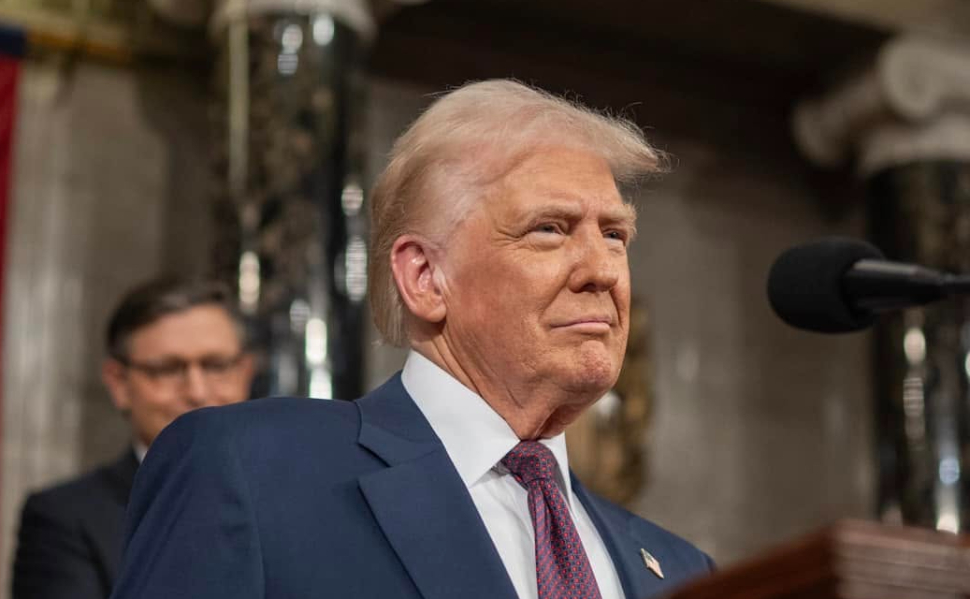
Oil prices rose on Thursday following President Donald Trump’s announcement that China is interested in purchasing American oil, alongside his renewed demand that Iran reach a deal with Washington, with the Strait of Hormuz remaining a critical flashpoint for global energy markets. Brent crude climbed 1.7% to $107.60 per barrel, while West Texas Intermediate increased 1.2% to $103.30, reversing recent declines driven by hopes of a diplomatic breakthrough.
Trump’s comments came during high level talks with Chinese representatives, where discussions also addressed Visa’s push for greater access to China’s credit card market. The president emphasized that Iran “must reach a deal,” identifying control over Tehran’s enriched uranium as the main issue. The diplomatic maneuvering occurs against a backdrop of severe supply disruption, the International Energy Agency reports that crude oil and fuel flows through the Strait of Hormuz fell by approximately 4 million barrels daily in March and April, creating what the agency calls an “unprecedented supply shock” with cumulative losses exceeding 1 billion barrels.
The market reaction reflects persistent volatility as traders weigh Trump’s optimistic rhetoric against operational realities. While the president’s China oil comments and Iran deal pressure temporarily boosted prices, the IEA warns that global oil supply could decline by an average 3.9 million barrels per day in 2026, with the market remaining in deficit until the final quarter even if Hormuz flows gradually resume from June. More than 1,500 vessels and crews remain stranded around the strait, and OPEC has already lowered its 2026 demand growth forecast as the disruption continues. For consumers and the global economy, the message is clear, until the Strait of Hormuz reopens sustainably, every diplomatic statement will trigger price swings, but the underlying supply crunch will keep energy costs elevated regardless of political theater.