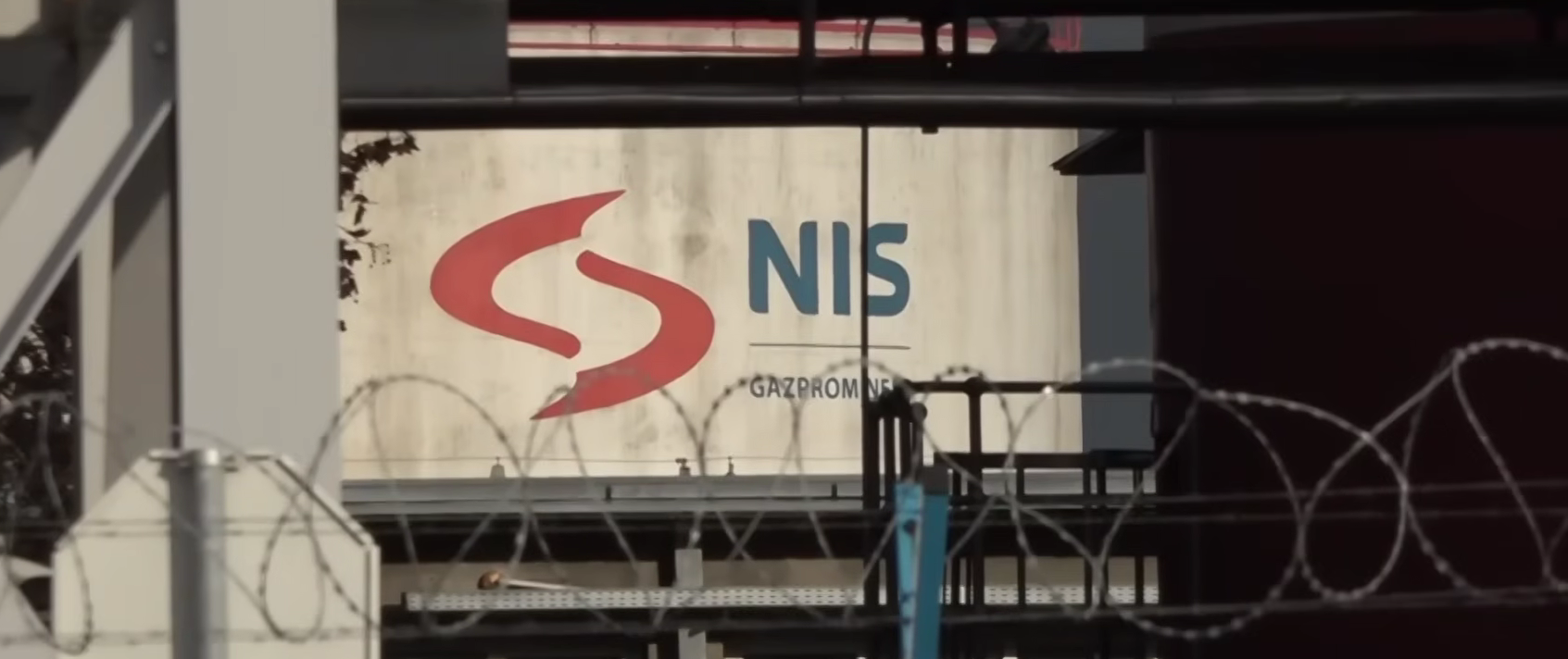
The sale of Serbia’s sanctioned oil company NIS has entered its most critical phase, with Hungary’s MOL Group and the Serbian government locked in last minute disputes over the future of the Pančevo refinery as a May 22 US deadline approaches, while a controversial rival bid from businessman Ranko Mimović has injected political chaos into an already complex transaction. MOL, which signed a preliminary agreement with Russian shareholders Gazprom and Gazprom Neft in January 2026 to acquire their combined 56.15% stake for approximately €1 billion, has seen negotiations repeatedly stall over Serbian demands that the refinery maintain specific crude processing capacities and guarantee domestic fuel supply.
Energy Minister Dubravka Đedović Handanović rejected MOL’s revised proposal on May 7, declaring that Serbia has “red lines” and “will not jeopardize our security of supply, nor the impact that the refinery’s operation has on the economy and industry,” while expressing hope for compromise “but not at any cost”. The Pančevo facility is existential for Serbia, supplying roughly 80% of domestic fuel needs and representing the country’s only refining capacity after a sanctions driven shutdown in December 2025 that forced emergency imports from Hungary.
The negotiations have drawn out over months of US sanctions waivers, with OFAC extending deadlines multiple times, the latest until May 22, 2026, to allow the parties to complete what would be the first case of Russian oil assets in Europe sold under US sanctions pressure. Complicating the timeline further, Mimović announced on May 6 that his recently established company had offered €2 billion, double MOL’s bid, to the Russian shareholders, claiming OFAC had responded positively to his proposal. President Aleksandar Vučić publicly dismissed Mimović as lacking energy sector experience and denied government coordination, though the bid appears designed to pressure MOL into more favorable terms rather than represent a genuine alternative, according to former MOL manager Attila Holoda.
The broader geopolitical stakes extend beyond Serbia’s fuel pumps. MOL’s acquisition would reduce Russian influence in the Western Balkans after 18 years of Gazprom control, but energy analysts warn it could also facilitate renewed Russian crude imports through a proposed pipeline extension from Hungary’s Druzhba connection. The UAE’s ADNOC remains in talks to join as a minority partner, potentially providing financial backing for the costly acquisition. For the Balkan region watching a critical energy asset change hands under the shadow of sanctions, the NIS saga demonstrates how great power competition, local political maneuvering, and commercial interests collide when strategic resources are at stake, with the final outcome likely determined not in Belgrade or Budapest, but in Washington’s sanctions offices.