Tesla CEO Elon Musk has once again made a bold prediction about the future of autonomous driving, saying that self-driving cars could handle the vast majority of road travel within the next five to ten years.
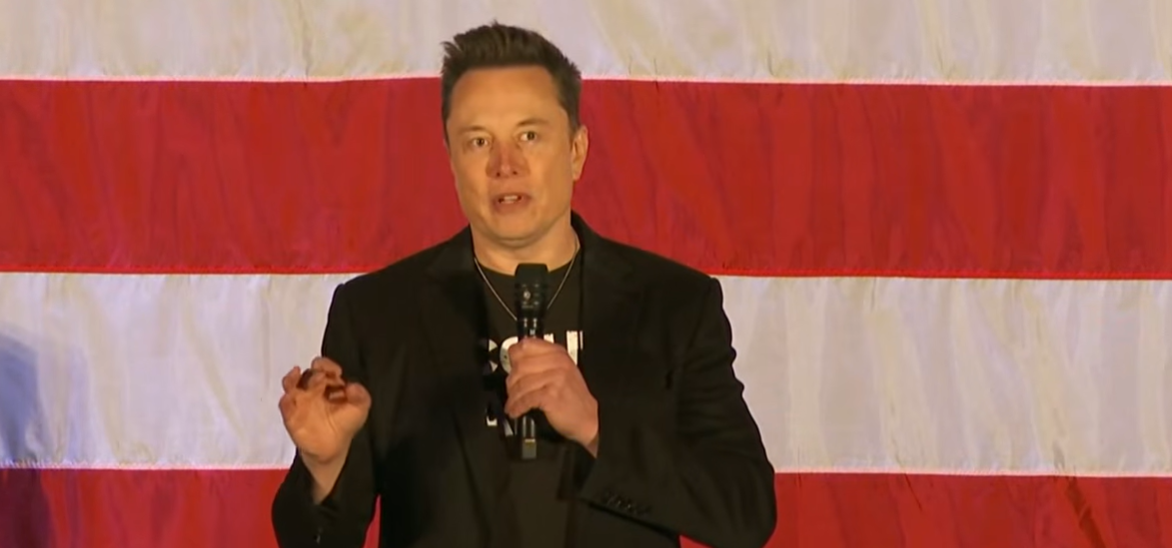
Speaking at the Samson International Smart Mobility Summit in Tel Aviv, Musk said he believes that “probably 90%” of all distance driven could be handled by artificial intelligence in self-driving cars within a decade. He added that driving a car manually could become a “niche” activity in the future.
However, experts and industry reports suggest that Musk’s timeline may be overly optimistic.
While autonomous driving technology has advanced significantly in recent years, major obstacles remain. Safety, regulation, unpredictable road conditions and public trust continue to slow the path toward fully driverless transportation.
Recent incidents show that even leading companies in the sector are still facing challenges. Tesla recalled more than 200,000 vehicles in the United States over rearview camera issues that could increase crash risk, according to the National Highway Traffic Safety Administration. Waymo also recalled around 3,800 robotaxis after concerns that some vehicles could enter flooded roads at high speeds.
One of the biggest technical problems for autonomous vehicles is what experts call “long-tail scenarios” — rare and unexpected situations that self-driving systems may not have seen before. These can include unusual traffic behavior, malfunctioning signals, poor weather, construction zones or sudden changes in road conditions.
A similar problem occurred in San Francisco, where Waymo vehicles were reportedly stuck after struggling to interpret malfunctioning traffic lights during a power outage.
Industry forecasts also point to a slower transition than Musk’s prediction suggests. A 2025 World Economic Forum report cited by Euronews said a fully driverless world should not be expected before the mid-2030s at the earliest and even then, deployment is likely to be limited to specific cities, markets and commercial use cases. The report estimated that full autonomy in personal vehicles would still be a niche feature by 2035, appearing in only about 4% of new cars.
For now, partial automation is far more common. Many vehicles already offer systems that can assist with steering, braking and acceleration, but drivers are still required to remain alert and ready to take control.
Robotaxis and autonomous trucks may become the first major areas where self-driving technology expands more widely, especially in controlled urban zones. The International Energy Agency has also projected that the global robotaxi fleet could grow to between 700,000 and 3 million vehicles by 2035, concentrated in dozens of cities.
Musk’s vision of a mostly driverless future may eventually become reality, but analysts caution that the shift will likely happen gradually — with autonomous vehicles sharing the road with human drivers for many years to come.