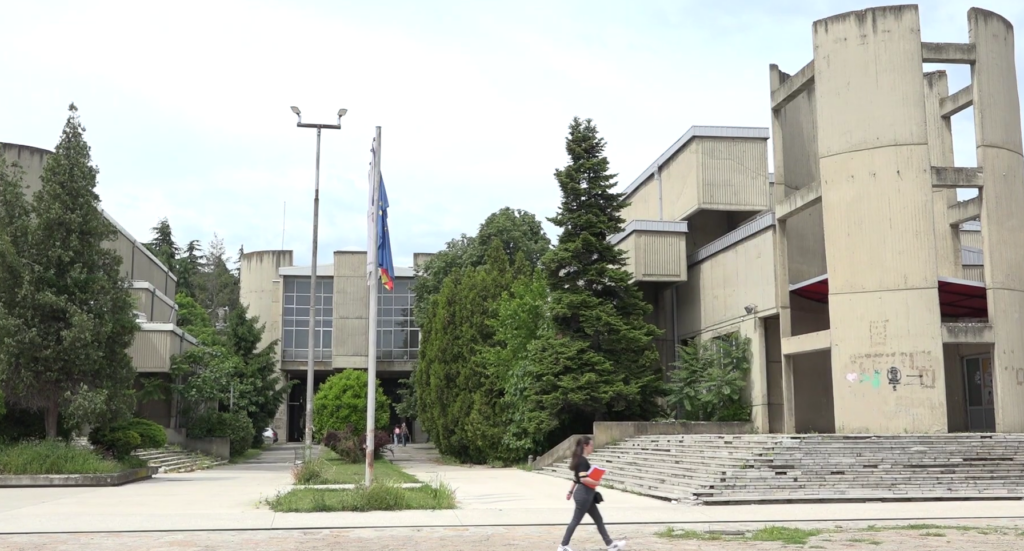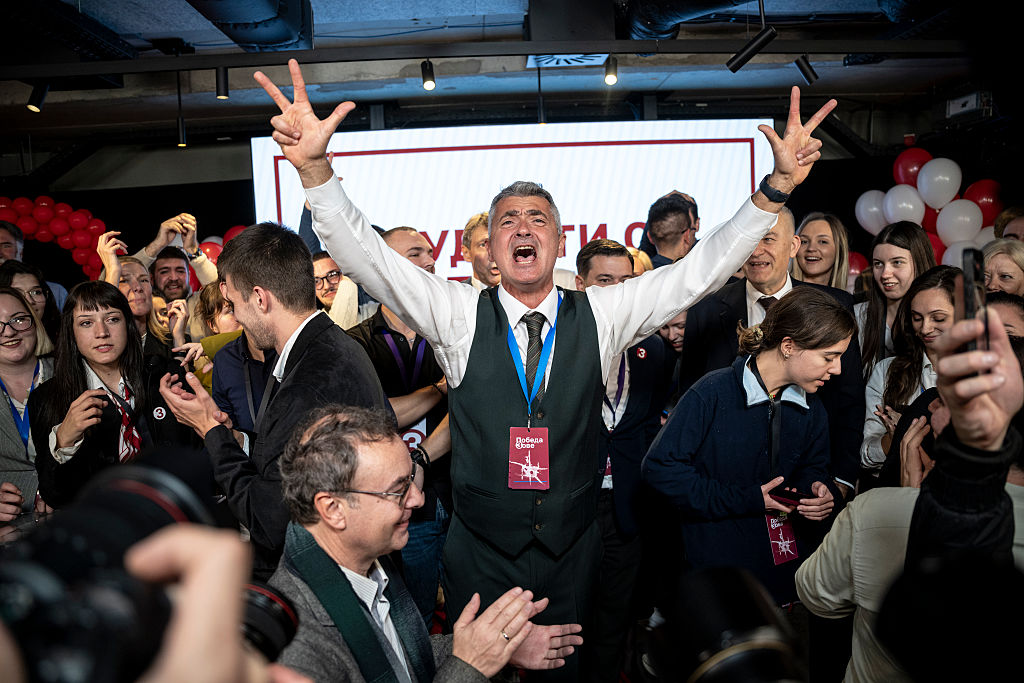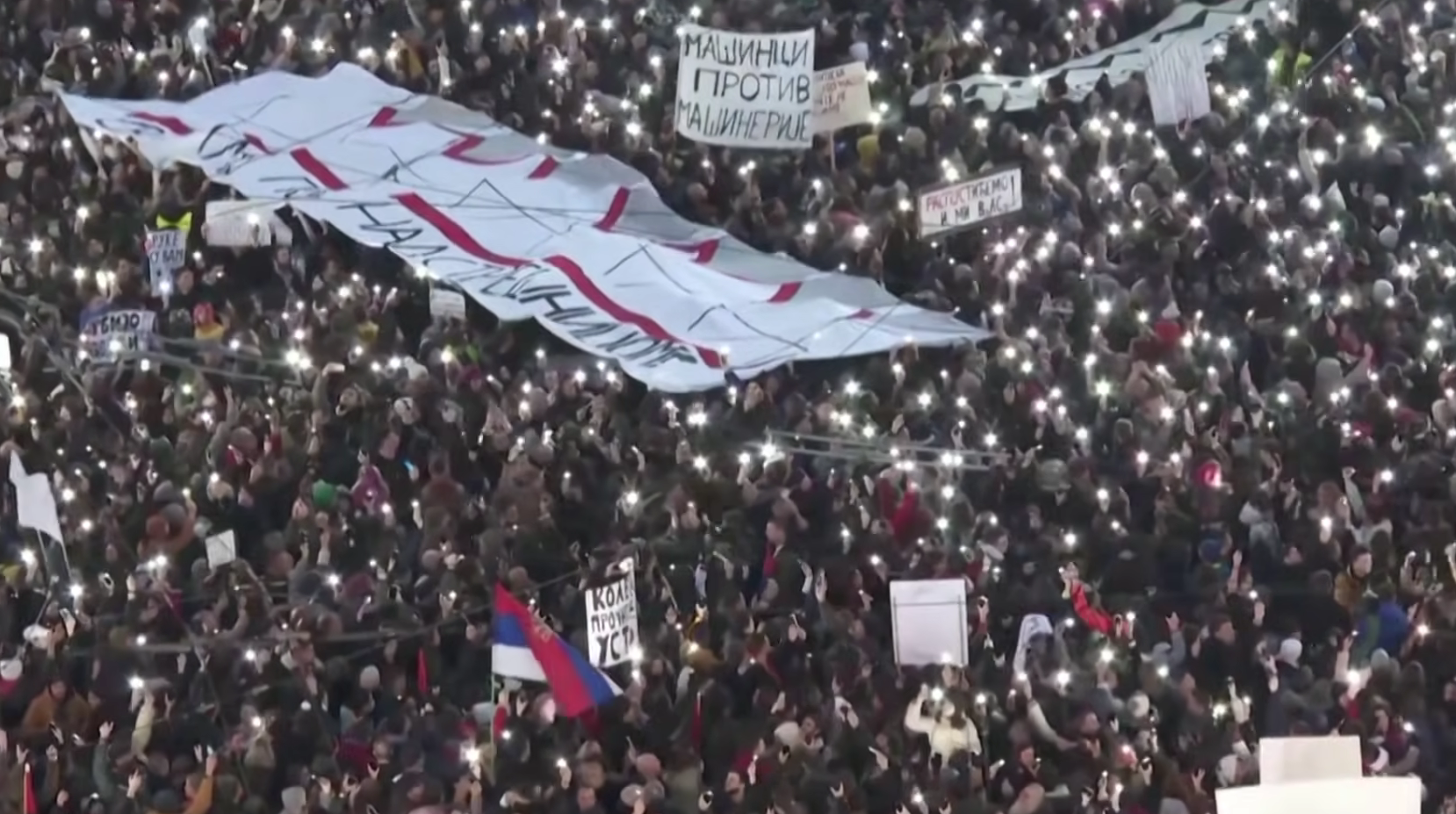
Serbian students in blockade have announced a major protest for Friday, 23 May, at Belgrade’s Slavija Square, the same site that hosted one of the largest gatherings in the country’s modern history on 22 December 2024. Scheduled from 18:00 to 20:00 under the motto “You and I, Slavija,” the rally will see citizens converge from four meeting points across the capital, the Agricultural Faculty in Zemun, the Law Faculty, Autokomanda, and Republic Square, before marching to the square. Organizers say they will restate their core demand for snap parliamentary elections, announce further steps, and present “the Serbia we want to see in the future.” The event marks eighteen months since the movement began, triggered by the November 2024 Novi Sad railway station canopy collapse that killed sixteen people and exposed deep rooted corruption in public infrastructure projects.
The protest arrives at a pivotal political juncture. President Aleksandar Vučić announced late on Wednesday that elections will be held “from the end of September to the middle of November,” a window that would push the vote well past the summer and into the autumn. He simultaneously called on the “blockaders” to enter dialogue, insisting he fights for a united Serbia but not “one mind,” and pledged to immediately recognise any election result. The students, however, have shown little appetite for Vučić’s overtures. They have repeatedly stated that any electoral list they might field would be composed exclusively of people chosen by the students themselves, individuals with integrity who have never held public office. So far, no formal program or candidate names have been unveiled, and organizers have been careful to maintain the movement’s non partisan character, barring political party representatives from their platforms even as opposition figures voice support. The December 2024 Slavija protest drew an estimated 100,000 to 325,000 people depending on the source, surpassing even the crowds that toppled Slobodan Milošević in October 2000, and subsequent Vidovdan rallies have sustained that momentum through police clashes and government pressure.
For Vučić, the timing is delicate. The student movement has already forced the resignation of Prime Minister Miloš Vučević in January 2025 and triggered a corruption probe that led to the arrest of former construction minister Goran Vesić and other officials. The president’s control over parliament, judiciary, and media, documented in the BTI 2026 Serbia report as near total, has not prevented the protests from spreading to over 400 towns and drawing support from farmers, teachers, healthcare workers, and veterans. By announcing an autumn election while offering dialogue, Vučić appears to be playing for time, hoping that the summer lull and the logistical demands of sustaining an eighteen month protest will erode student energy. Yet the movement’s decentralized structure, its refusal to anoint individual leaders, and its insistence on institutional rather than merely personnel change have made it uniquely resilient. Whether the 23 May rally rekindles the mass mobilization of last winter or merely marks another waypoint in a grinding standoff will depend on whether the students can convert moral authority into electoral pressure before the leaves turn.