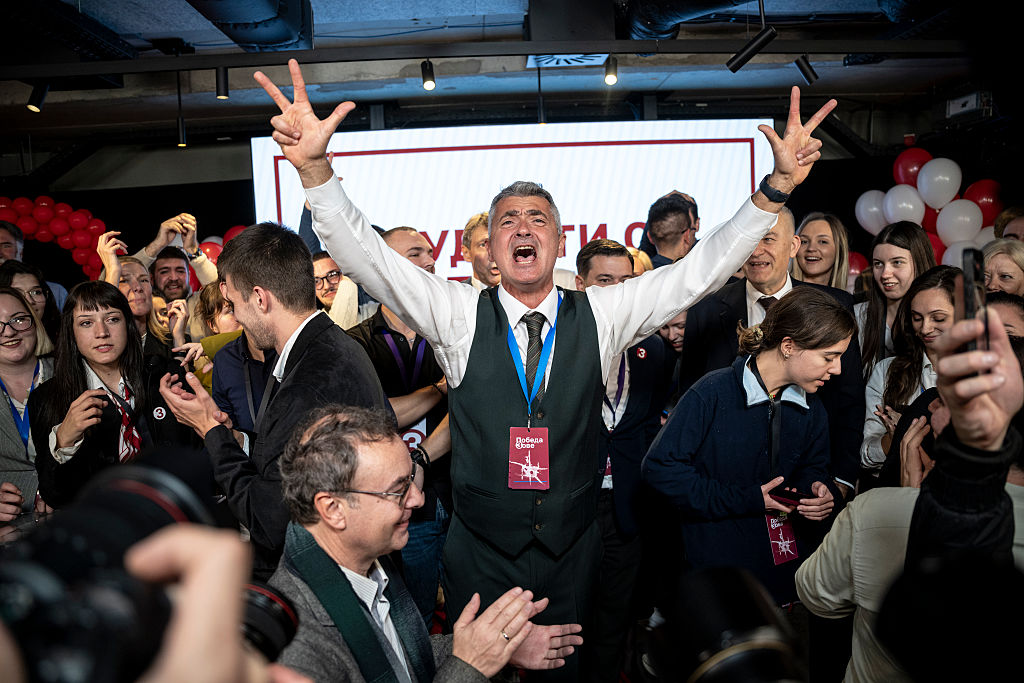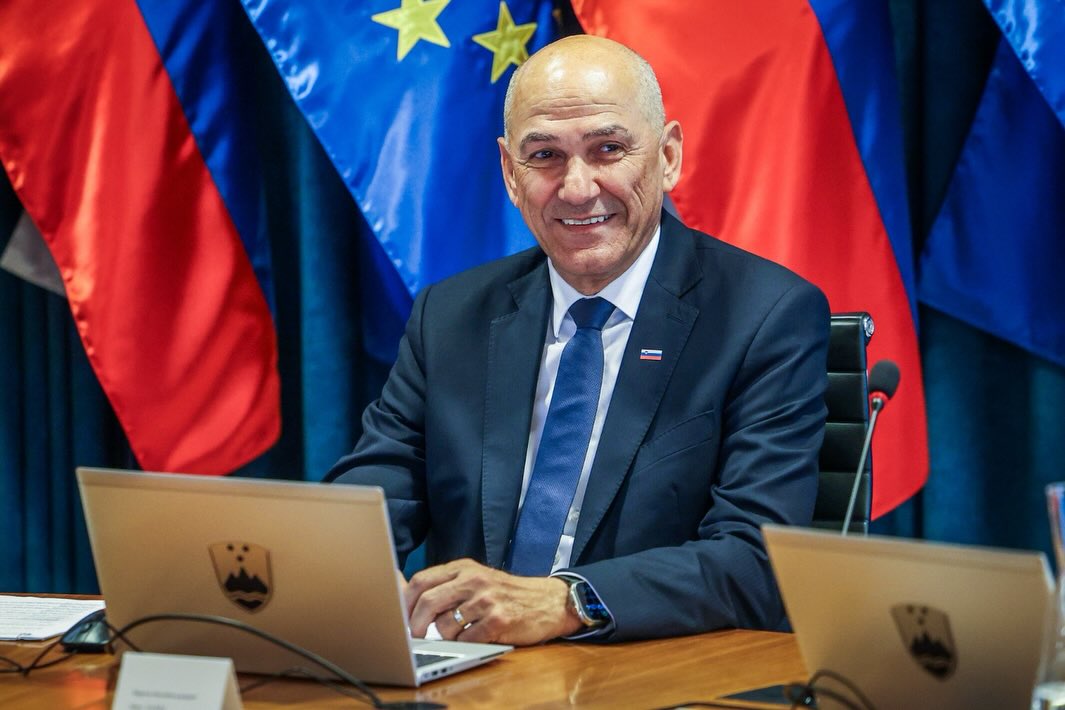
Slovenia’s parliament has approved the country’s 16th government, returning veteran conservative leader Janez Janša to the prime minister’s office for a fourth term. The 15 member cabinet secured parliamentary approval with 51 votes in the 90 seat National Assembly, overcoming the fragmented results of the March 22 elections where Janša’s Slovenian Democratic Party (SDS) finished a razor thin second behind Robert Golob’s liberal Freedom Movement. Unable to forge a majority, Golob conceded defeat in April, clearing the path for Janša to assemble a governing coalition and promising a decisive shift from the previous administration’s progressive agenda.
Janša’s coalition brings together five parties, SDS, the Christian democratic New Slovenia (NSi), the pro business Focus, the center-right Democrats, and the Slovenian People’s Party (SLS), holding a combined 43 seats, well short of a majority. The breakthrough came through external support from the right wing populist Truth party (Resni.ca), which agreed to back the government without formally joining it, alongside deputies representing Slovenia’s Italian and Hungarian minorities. Despite being a coalition partner, SLS was notably left without a ministerial portfolio. In his parliamentary address, Janša pledged to slash what he called “record high” taxes, reduce bureaucratic bloat, and empower local authorities while extending an olive branch to opposition parties for cooperation on key legislation. “A hand is extended,” he told lawmakers, “but for cooperation, two are needed.”
The most significant changes, however, are expected in foreign policy. Under Golob, Slovenia formally recognized Palestinian statehood in June 2024, imposed an arms embargo on Israel, and became the first EU country to issue an entry ban on Israeli Prime Minister Benjamin Netanyahu over an International Criminal Court warrant. Analysts anticipate Janša will reverse or soften these stances, moving Slovenia closer to conservative European governments and reflecting his historically warm ties with figures like former U.S. President Donald Trump. With a fragile majority and a polarized electorate, Janša’s fourth term begins under the shadow of political instability. Whether he can deliver on his economic promises while navigating Slovenia’s deep societal divisions will define the success of this new administration.