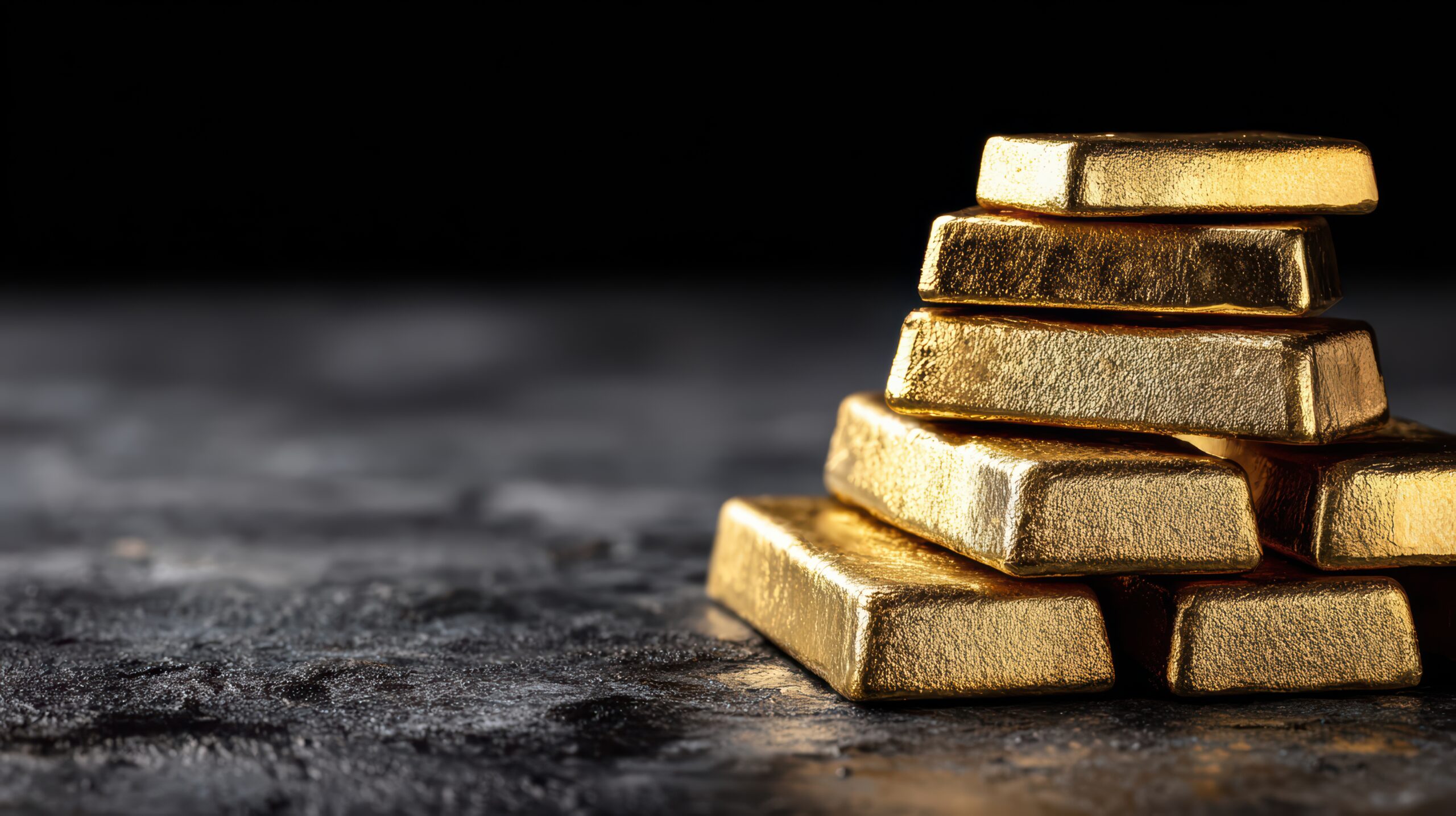
Gold prices extended their decline on international markets today, with one gram of the precious metal trading at 142 dollars as investors grapple with a broader market correction. After a remarkable run that saw bullion reach record highs earlier this year, the ongoing pullback reflects shifting sentiment across global trading floors. Analysts attribute the drop to a combination of stabilizing financial markets, a resurgent US dollar, and evolving expectations around monetary policy decisions from major central banks.
The current retreat marks a notable reversal from the feverish demand that characterized the first months of 2026, when gold surged past $5,600 per troy ounce in January amid geopolitical tensions and sustained central bank buying. According to commodity strategists, the precious metal is now facing pressure from higher Treasury yields and a stronger dollar, which increase the opportunity cost of holding non yielding assets. While sovereign demand remains structurally robust, Goldman Sachs projects central banks to purchase roughly 60 tons per month through 2026, the immediate market dynamics have prompted some investors to rotate toward riskier, potentially higher return investments. Traders and metal dealers are now closely monitoring exchange movements, while consumers eye the softened prices as a window for more favorable transactions.
Despite the downward momentum, gold’s long term reputation as a safe haven asset remains largely intact. Market veterans emphasize that short term oscillations are a normal feature of the bullion market, particularly after the parabolic gains recorded in 2025 and early 2026. The World Gold Council anticipates central banks to acquire approximately 850 tons this year, providing a structural floor that could limit deeper losses. Still, if the current trend persists in the coming sessions, further price correction could reshape demand patterns across both domestic and international markets. For now, the yellow metal sits at a crossroads between cyclical headwinds and its enduring role as a hedge against economic uncertainty.