Global markets responded swiftly to the signing of a landmark interim peace deal between the United States and Iran, with Brent crude oil tumbling below $78 per barrel and safe haven assets like gold and silver staging a recovery. The agreement, signed by President Donald Trump and Iranian President Masoud Pezeshkian at the G7 summit in France, triggered a broad risk on sentiment across trading floors, even as lingering questions about the Federal Reserve’s next move on interest rates continued to cast a shadow over the outlook.
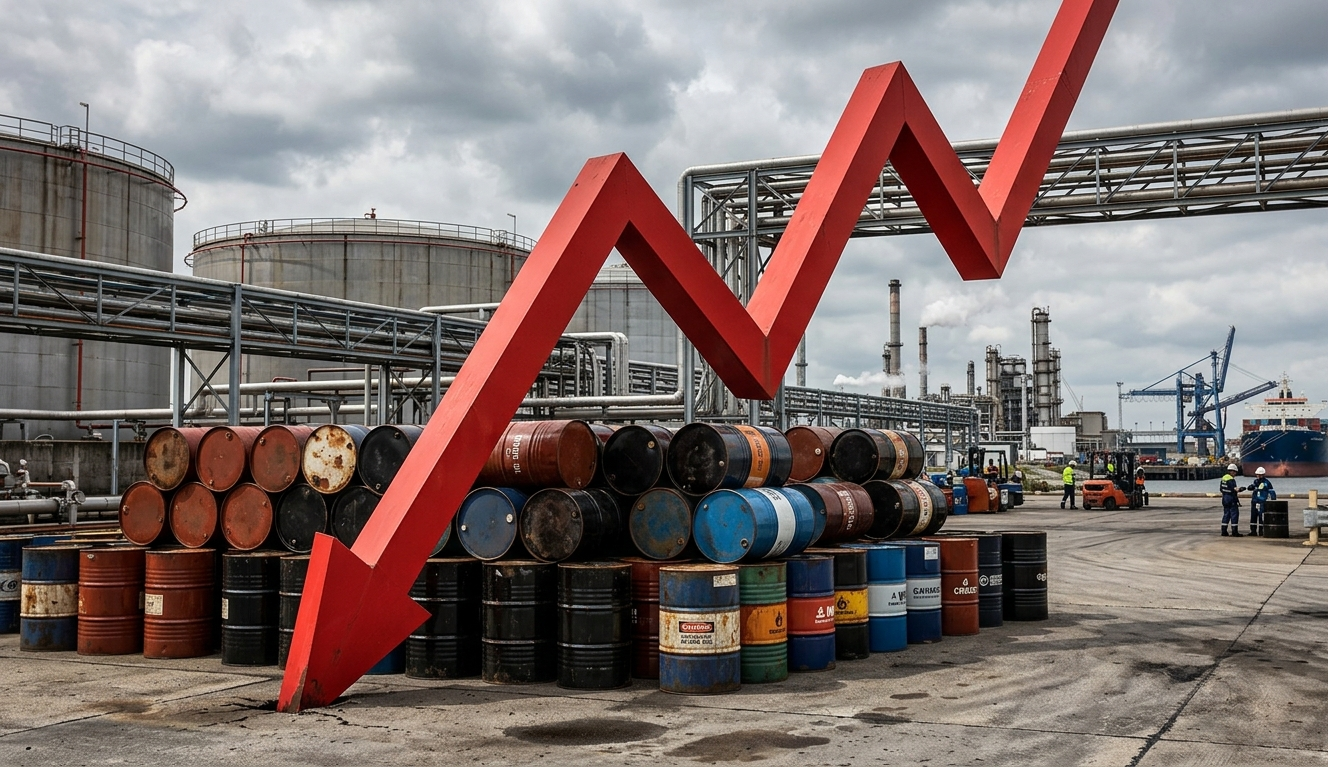
The immediate winner was the oil market. Brent crude fell more than 2%, sliding under the $78 threshold as traders priced in the reopening of the Strait of Hormuz and the prospect of renewed Iranian exports. The drop represents a significant retreat from the $95 per barrel peaks seen during the height of the conflict, when Iran’s de facto closure of the vital waterway sent energy costs soaring and fueled inflationary pressures worldwide. For consumers and businesses alike, the decline offers a glimmer of relief after months of elevated fuel and transportation costs, though prices remain roughly $8 above pre war levels. The deal’s 60 day toll free transit period for Hormuz shipping has been welcomed by energy markets, though Iranian officials have already hinted that future charges may apply once the initial window closes.
Equity futures surged on the news. S&P 500 futures jumped 0.9%, while Nasdaq futures climbed 1.5%, reversing some of the losses from Wednesday when the benchmark index had dropped 1.2%. That decline came after the Federal Reserve, under new Chair Kevin Warsh, signaled that interest rates could rise further to combat inflation that has stubbornly remained above the central bank’s 2% target for several years. Gold, which had tumbled nearly 2% on Wednesday following the Fed’s hawkish tone, rebounded to trade around $4,289 per troy ounce, up roughly 0.7% and still more than 27% higher than a year ago, despite having fallen from its January all time high of $5,608. Silver also gained more than 1%, reflecting the broader precious metals recovery as geopolitical risk premiums eased.
The contrast of these market movements tells a complex story. On one hand, the Iran deal has removed a significant geopolitical overhang that had been weighing on global growth prospects. On the other, the Federal Reserve’s commitment to restoring price stability suggests that monetary conditions may remain tight, potentially capping the upside for risk assets. Gold’s partial recovery illustrates this tension, while safe haven demand has softened with the ceasefire, inflation concerns and the prospect of higher rates create conflicting pressures. For now, investors appear willing to embrace the relief rally, but the durability of both the peace agreement and the market optimism will depend on whether the 60 day nuclear negotiation window yields a comprehensive settlement, or merely delays a return to hostilities.